


What Is Myopia and Why Is It Increasing?
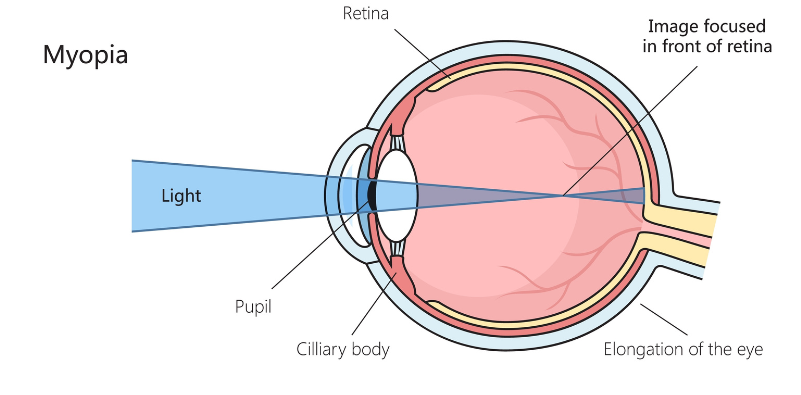 Myopia, or the short sighted meaning, is a vision condition where distant objects appear blurred whilst close-up vision remains clear. It occurs when the eye grows too long from front to back, causing light to focus in front of the retina.
Currently, around one in six children in the UK is affected by short-sightedness, with myopia typically developing between the ages of 6 and 14. Factors contributing to this rise include family genetic where one or both parents already have the condition, children spending more time doing close-up work, combined with less time outdoors in natural daylight
Common Signs Parents Should Watch For
 Because children often don’t recognise that their vision isn’t normal, parents need to watch for behavioural changes. Here are the key signs to look out for:
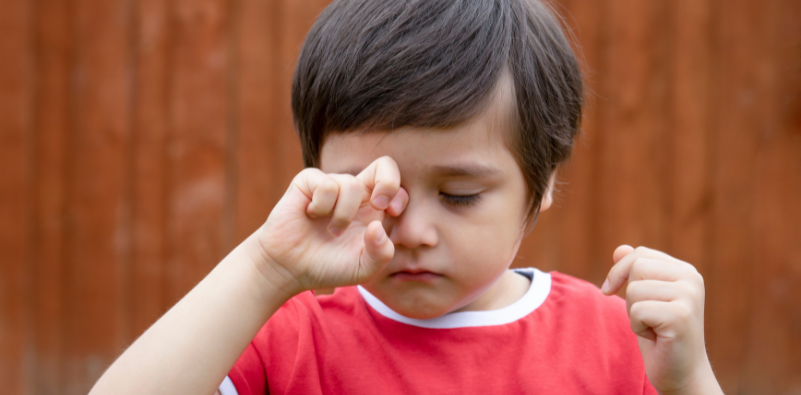
Squinting and rubbing eyes: Frequent squinting is one of the earliest warning signs. When your child squints, they’re instinctively trying to improve clarity when viewing distant objects. Persistent eye rubbing can indicate eye strain and discomfort.
Sitting too close to screens: Children with myopia often sit very close to the television or hold books and devices close to their face because their near vision remains clear.
Blurry vision at a distance: Your child may struggle to read the board at school, recognise faces from far away, or see road signs whilst in the car.
Headaches: Frequent headaches, particularly after reading or screen time, can signal that your child’s eyes are working harder than they should to focus.
Difficulties at school: Children who cannot see the board clearly may lose interest in lessons or struggle to copy information accurately. If your child’s school performance seems affected, their eyesight should be investigated.
When Should You Schedule a Kids Eye Test?
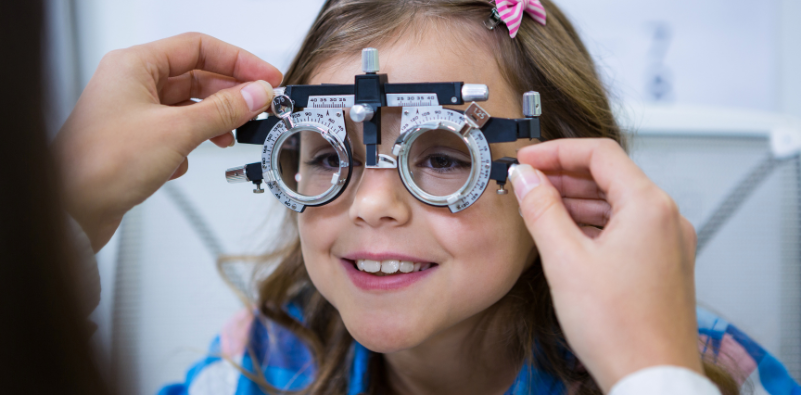 If you’ve noticed any of these signs, scheduling an eye examination is the best next step. At Swords Eye Centre, myopia is diagnosed through a routine eye exam, and our experienced optometrists ensure any problems are identified early. Regular annual eye tests are essential for all children to monitor changes in vision as they grow.
Treatment and Management
Myopia can be effectively corrected with specialist glasses or contact lenses. Wearing the correct prescription supports your child’s daily activities and learning. We can also discuss myopia management strategies and lifestyle changes, such as encouraging more outdoor play, which research shows can help protect against myopia progression.If you’ve noticed any of these signs, don’t wait. Book an eye examination for your child and take the first step towards clearer, healthier vision. Contact Swords Eye Centre today—your child’s future vision health starts here.